Traditional Festivals and Holidays: Lunar New Year, Diwali and Songkran
Asian new year traditions, the red envelope custom of Chinese New Year and the water blessings of Songkran all reveal something a dating profile cannot: how a family treats obligation, gratitude and each other.
Written by the AsianMatchHub editorial team · Last updated: · Reading time approximately 6 minutes
Why Asian New Year Traditions Matter in Modern Dating
Asian new year traditions reveal more about a family than any dating profile ever could. Lunar New Year, Diwali and Songkran are not simply holidays on a calendar - they are annual rituals where family hierarchy, gratitude and hospitality are put on public display, and where a woman's participation says something honest about the values she was raised with.
For a Western man building a serious relationship with an Asian partner, festival season offers a rare window into what usually stays private: who she calls first, what she cooks, whose home she returns to, and how she treats guests who are still strangers. Missing a festival, or misunderstanding what it asks of you, can read as carelessness. Respecting it, even imperfectly, tends to be remembered.
This guide walks through three defining celebrations - Chinese New Year across East Asia, Diwali across South Asia and Songkran in Thailand - along with the customs most likely to surprise a first-time guest, including the red envelope tradition that consistently ranks among the most asked-about parts of Chinese New Year etiquette.
Every profile in these communities is reviewed by our team before it becomes visible.
Festival calendar
Three Festivals, Three Regions: Lunar New Year, Diwali and Songkran
Each celebration falls at a different time of year and centers on a different symbol, but all three place family obligation and hospitality at the core.
Lunar New Year
Lunar New Year falls between late January and mid-February and marks the most significant family reunion of the year across China, Taiwan, Korea and Vietnam. Households clean thoroughly beforehand, cook a multi-course reunion dinner, and welcome extended family for days of visiting. Red decorations, spoken good wishes and red envelopes are central. Arriving on time, dressing modestly and accepting food graciously matter more than gift value.
Diwali
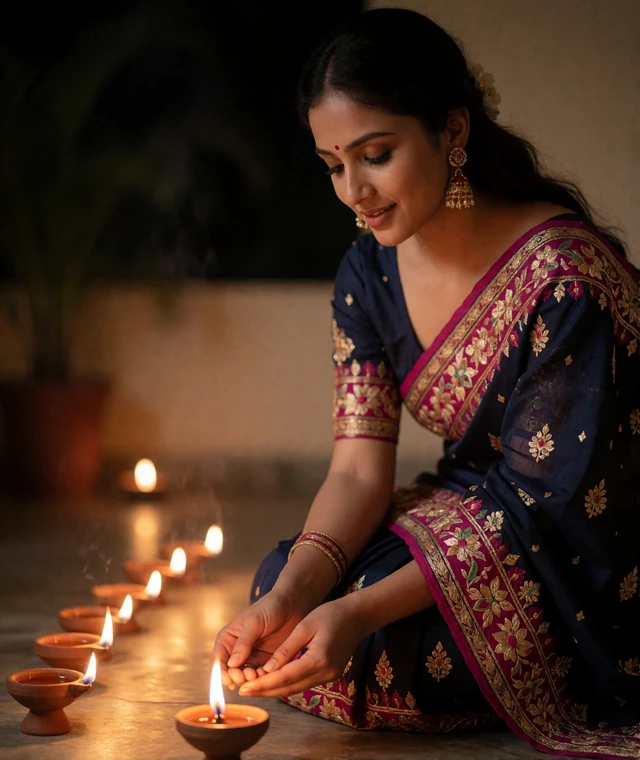
Diwali, the festival of lights, usually falls in October or November and celebrates the return of light over darkness through rows of oil lamps, shared sweets and evening prayers. Families clean and decorate their homes for days beforehand, and visiting relatives is considered essential. Diwali traditions and celebrations vary by region and faith, but warmth toward guests stays constant - remove shoes before entering, and accept sweets when offered.
Songkran
Songkran, Thailand's water festival, takes place in mid-April and marks the traditional Thai New Year with days of public water play, temple visits and gestures of respect toward elders. Songkran festival traditions include pouring scented water over the hands of parents and grandparents as a blessing before the streets fill with celebration. Joining the water play good-naturedly while showing composure at temples signals genuine cultural awareness.
The Red Envelope Tradition Explained
A red envelope, or hongbao, holds money - the amount is a personal decision left to the giver - sealed inside red paper and presented by hand during Chinese New Year. The color red symbolizes good fortune and is believed to ward off misfortune for the year ahead, which is what the red envelope itself represents beyond its contents. Married couples and elders typically give to unmarried younger relatives and children, and increasingly to close friends, as a gesture of blessing rather than obligation.
Etiquette matters more than the envelope's contents. New, unfolded notes are preferred over worn cash, and envelopes are exchanged with both hands as a mark of respect. Recipients traditionally accept with a brief word of thanks rather than opening the envelope in front of the giver.
Give with both handsOffering and receiving an envelope with both hands shows respect for the giver or recipient.
Choose fresh notesCrisp, unfolded bills are traditionally preferred over worn or torn currency.
Say thanks, don't open itAccept warmly and set the envelope aside rather than counting it in front of others.
Understanding these small rules - and following them without being asked twice - often does more to build trust with a partner's family than a larger gesture would. Our guide to East Asian romance dynamics covers more of the courtship expectations that surround Lunar New Year and the months that follow it.
Field notes
How to Make a Good Impression During a Festival
Small, consistent gestures carry more weight than grand ones when you are a guest in someone else's family tradition.
Bring a modest gift Fruit, tea or sweets are welcomed; avoid anything sharp or clock-shaped, which can carry unlucky associations.
Dress with care Clean, modest clothing in bright or festive colors shows you understand the occasion's importance.
Greet elders first Address parents and grandparents before anyone else; it signals respect for family hierarchy.
Learn one phrase A simple greeting in her language, even imperfectly pronounced, is always appreciated.
Arrive on time Punctuality during family gatherings is read as reliability, not just courtesy.
Accept food graciously Try what is offered; refusing hospitality outright can feel like a rejection of the family itself.
Ask before photographing Some family moments are private; asking first is part of the elegance covered in our South Asian elegance guide.
Follow her lead Let her guide introductions and customs you're unfamiliar with rather than guessing.
At a glance
Comparing Festival Customs at a Glance
Lunar New Year, Diwali and Songkran differ in season, symbolism and ritual, but each one centers on family gathering and renewal. This table summarizes the core elements side by side - useful if you are meeting a partner's family during any of these celebrations for the first time.
General customs across Lunar New Year, Diwali and Songkran
Feature
Lunar New Year
Diwali
Songkran
Season
Late January - February
October - November
Mid-April
Core symbol
Red envelopes & lanterns
Oil lamps & light
Water & blessing
Family gathering
Multi-day reunion meals
Home visits & prayers
Temple visits & elder blessings
Gift custom
Red envelopes (hongbao)
Sweets & lit lamps
Scented water & flowers
Greeting style
Spoken new year wishes
Folded hands & "Happy Diwali"
Wai gesture with water blessing
Keep reading
Continue Reading
Two companion guides on courtship customs across East Asia and South Asia.
Tradition, family roles and modern courtship across India, Pakistan and Sri Lanka.
Meet Someone Who Shares Your Values
Festivals like Lunar New Year, Diwali and Songkran are where family values become visible - not something a profile can fully capture. A man who shows up prepared, respectful of ritual and genuinely curious about what a celebration means to her family tends to be remembered long after the holiday ends.
AsianMatchHub connects you with verified members who describe these traditions as part of everyday life. Explore Chinese Dating, Thai Dating and Indian Dating, or start from the AsianMatchHub homepage to see the full range of member profiles.
FAQ
Frequently Asked Questions
Direct answers to what readers ask most about Chinese New Year, red envelopes and Asian festival customs.
What is given in a red envelope for Chinese New Year?
A red envelope, or hongbao, typically contains money sealed inside red paper and is given by married couples or elders to unmarried relatives, children and sometimes close friends. The amount is a personal choice; the gesture itself is what carries meaning during Chinese New Year.
What does the red envelope symbolize in Chinese New Year?
The red envelope symbolizes good fortune and protection against misfortune for the coming year. Its red color is associated with luck and happiness across Chinese culture, and presenting one is considered a blessing extended from giver to recipient.
What are the rules for red envelopes?
Common etiquette includes using new, unfolded notes rather than worn cash, presenting and receiving the envelope with both hands, and thanking the giver without opening it in front of them. Envelopes are typically given by elders or married individuals to those younger or unmarried.